When there is an imbalance between storm clouds and the earth or between the clouds themselves, lightning, a high energy electrical discharge, happens. Due to the fact that they are the shortest distance from a cloud to the earth, very tall buildings or other objects are more likely to be struck by lightning. Lightning current travelling through wires can cause wood and other flammable construction materials to catch fire quickly, causing extensive damage to the entire structure. Even linked non-electronic appliances are often damaged by the explosive surge that occurs when lightning strikes the home's electrical wiring. A reliable lightning protection device lowers the possibility of accidents and fires while also preventing fatalities.
Vertical protrusions (rods or a network of air terminals), conductor cables to carry lightning current from the rods to the ground, and ground rods that are buried into the ground around the structure to protect it and allow lightning current to discharge around the structure are the components of an effective lightning protection system. The following is a list of some of the topics covered in the course.
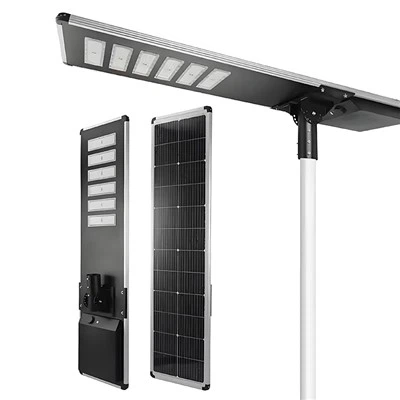
The cost of solar street lights is comparatively higher, and it's crucial to shield your lights from the effects of lightning strikes. Most often, trees or towering buildings surround solar street lights and their associated components, which are either mounted on poles or walls. Lightning impacts can harm solar panels and other components of solar-powered street lights. Since most solar street lights are integrated devices, even one broken or damaged wire can cause the complete solar lighting system to fail. Due to the electromagnetic energy it produces, even indirect lightning can cause damage by causing overvoltage. Since one of the main causes of fire is the energy released by a lightning discharge, building fire protection must be of the highest importance. The solar lights that were placed on the rooftop are also vulnerable to lightning damage. However, if some low-cost methods are used, the majority of electrical damages can be avoided.
The initial wise move in safeguarding your photovoltaic street lights from significant lightning damage is to install a low resistance and low impedance grounding system. A power generation facility's safety step and touch voltage requirements are anticipated to be met by the implemented grounding system. After installing a stable grounding system, a surge protection device (SPD) system should also be implemented. Prior to installing a lightning protection device, risk analysis must be done to determine the risk parameters.

supporting system architecture and analysis
Comprehensive soil resistivity measurement is required to build a solar grounding device. During a test for soil resistance, the amount that soil opposes electrical current is measured. The IEEE Std. 81-compliant Wenner four-probe soil resistivity technique is by far the most popular test method. In this measurement, the amount of electricity that travels through the soil between four probes spaced equally apart is measured. This test, which is thought to be the most accurate soil resistivity test, measures soil resistivity based on the distance between the test probes at an equal depth. It's crucial to comprehend how electricity moves through earth. Results from tests measuring the multilayer soil resistivity should be obtained, and specialist grounding software aids in modelling the ideal grounding system for an array. A thorough flaw analysis is completed by designers with the aid of the computer model. When isolated from any conductive element and measured at low frequency, the ohmic value for grounding devices recommended by IEC 62305-3, UNE 21186:2011, and NF C 17-102:2011 standards is below 10.